Telehealth Helping to Keep Kids in Class in the Triad
 Community Foundation of Greater Greensboro
on
April 15, 2026
Community Foundation of Greater Greensboro
on
April 15, 2026
By Donna Hayes
Children who have to leave school because they’re sick miss valuable time in the classroom and miss important educational opportunities.
Their parents miss time from work and may face large medical bills, but a program in Guilford County Schools is helping to change that.
“Minor illnesses, such as headaches, stomach aches can be taken care of
here at school — falls on the playground, scrapes, band aids, all that type,” says Cone Elementary School Principal Kesandra Farmer-Gills. She says those minor health problems used to disrupt the school day, take students out of class, and keep parents out of work.
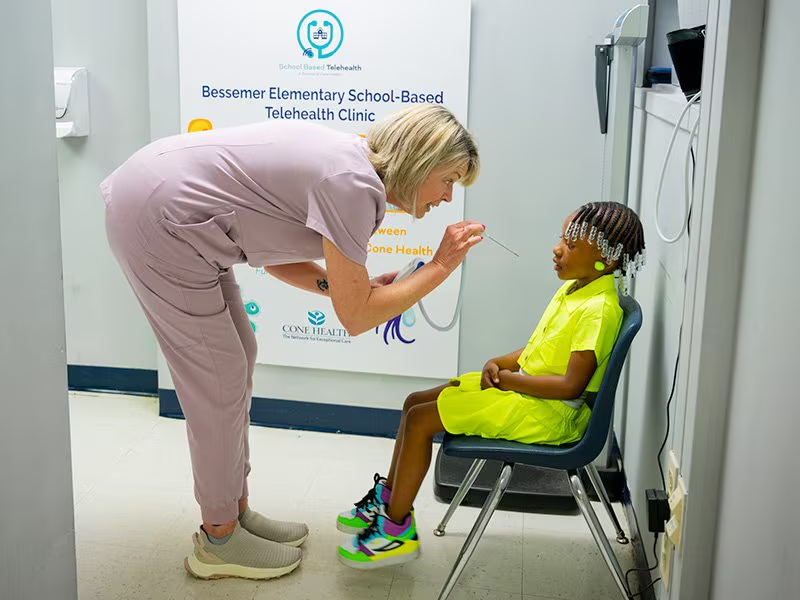
The Cone Health Telehealth Program now allows uninsured students to be treated at school. A tele-presenter who’s a certified medical assistant can connect the student with a medical provider virtually.
Dr. John Jenkins is the Medical Director for the school-based telehealth program and a former teacher himself. He explains how it works.
“The student can be sent from the teacher to the office. They can then be prepared to be seen by the remote provider and then given a complete examination using a digital stethoscope so they can hear the heart, listen to the lungs, look at the ears, and make a diagnosis.”
If medication is needed, it can be prescribed on the spot and the student sent back to class to
continue learning.
Right now, the Cone Health Telehealth Program is available in 35 Guilford County elementary schools with plans to expand to all high-poverty schools in the next few years. The Women to Women Fund, hosted by The Community Foundation of Greater Greensboro, awarded $25,000 to Cone Health for the program. Dr. Jenkins says that financial help is significant.
“The uniqueness of our partnership is that the community foundations meet specific needs, and
what the Women to Women have done is provided us with funds so that we can provide care to about 200 uninsured students. These are students who aren’t eligible for insurance because they don’t qualify for Medicaid or their families don’t have insurance for them,” said Jenkins.
It’s a prescription that makes students healthier and keeps them in the classroom and on track in
their studies.
“Students are learning,” said Farmer-Gills. “Students are continuing to learn without having to go
home, without having to face the challenges of going to the doctor outside of school. They’re also being able to make connections with someone that’s outside of their classroom.”
Read the Full Article on FOX8.
- Category: In the News